Background: Anomalous origin of the left coronary artery from the pulmonary artery (ALCAPA), also known as Bland–White–Garland syndrome, is a rare but life-threatening congenital coronary anomaly that may present during infancy with nonspecific symptoms such as feeding difficulty, irritability, failure to thrive, respiratory distress, or heart failure. Because the initial presentation may mimic respiratory or gastrointestinal disease, delayed diagnosis remains an important clinical risk.
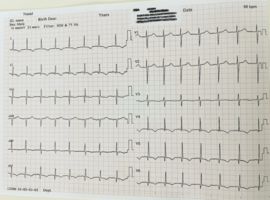
Case Presentation: We report a 3-month-old term female infant who presented to the emergency department with acute respiratory distress immediately after vomiting and suspected aspiration of feeds. She had suboptimal weight gain, weighing 3.5 kg below the 3rd centile. Initial examination showed severe respiratory distress, tachypnea, subcostal retractions, head nodding, and oxygen desaturation, but no murmur or signs of poor peripheral perfusion. Chest radiography demonstrated marked cardiomegaly with a cardiothoracic ratio of approximately 67% without pulmonary congestion. Laboratory evaluation showed elevated cardiac biomarkers, including troponin I of 80 ng/mL and creatine kinase-MB of 28.9 U/L. Electrocardiography demonstrated ischemic changes with pathological Q waves and lateral ST-segment depression with T-wave inversion. Echocardiography revealed a severely dilated left ventricle with reduced systolic function, estimated ejection fraction of approximately 30%, anomalous origin of the left main coronary artery from the main pulmonary artery, retrograde flow in the left anterior descending coronary artery, mild mitral regurgitation, patent foramen ovale with left-to-right shunt, and mild pulmonary hypertension. The infant was stabilized with non-invasive ventilatory support, heart-failure therapy, antiplatelet treatment, nutritional support, and referral for definitive surgical correction.
Conclusion: This case highlights the importance of considering ALCAPA in infants with unexplained cardiomegaly, failure to thrive, respiratory distress, or apparent feeding-related respiratory symptoms. Chest radiography and electrocardiography are valuable early screening tools, but prompt echocardiographic assessment of coronary origins is essential for diagnosis and timely referral for surgical repair.
Keywords: ALCAPA; Bland–White–Garland syndrome; Congenital coronary anomaly; Infant heart failure; Respiratory distress; Case report